- HEALTH EDUCATION
01.
Addressing NTD
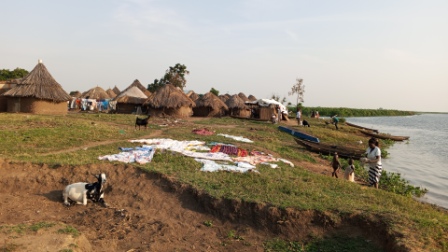
Africa Water and Health Initiatives (AWHI) also recognizes that Uganda has a high burden of Neglected Tropical Diseases (19 NTDs) that affect mainly the rural poor resulting in reduced socio-economic productivity, hence affecting the development of these populations. They include Lymphatic Filariasis (Elephantiasis), Schistosomiasis (Bilharzia), Soil-transmitted Helminthes (Intestinal Worms), Onchocerciasis (River blindness), Trachoma, Human African Trypanosomiasis (Sleeping sickness), Buruli Ulcer Disease (BUD), Rabies, Scabies, Tungiasis (Jiggers), among others. AWHIs multisectoral approach with her partners aim at tackling the above challenges to ensure sustainable health communities by involving a holistic approach, focusing on community engagement, integrated systems, and environmental stewardship, addressing basic needs promoting wellness through local resources and accessible care, empowering residents with local assets, and creating policies that support long-term environmental and social equity, all driven by collaborative, inclusive decision-making.
02.
Health Education, Sexual Reproductive Health (SRH), Family planning (FP) and HIV/AIDS
systemic challenges such as high maternal mortality, teen pregnancies, and limited access to SRH services and deaths persist. Our interventions focus on preventive health education, youth-friendly SRH services, and community-based family planning to improve health outcomes, particularly for women and adolescents.
03.
Sexual Reproductive Health (SRH) & Family Planning crisis in Eastern Uganda
• High Teen Pregnancy: 34% of girls aged 15–19 in Busoga are mothers (UBOS 2023, higher than national avg. of 25%).
• Low Contraceptive Use: Only 26% of married women use modern contraceptives (UDHS 2022).
• Maternal Mortality: 400 deaths/100,000 births (vs. national 336), linked to unsafe abortions & poor ANC access.
• Cultural Barriers: Stigma around SRH discussions, child marriage, and male-dominated FP decisions.
• HIV Prevalence: 5.5% in Eastern Uganda (above national 5.1%), with low condom use among youth.
• Cultural Barriers: Early marriages (45% of girls wed before 18), stigma around SRH discussions.
04.
Our Interventions
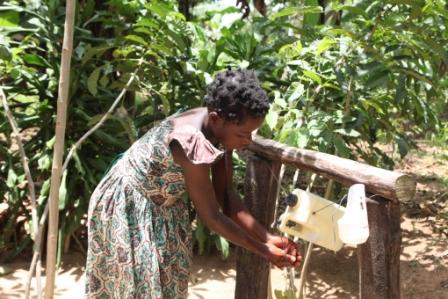
• Health Education Programs: Community Workshops, Peer Educator Training, Media Campaigns
• Sexual Reproductive Health (SRH) & Family Planning: Youth-Friendly SRH Services, Adolescent Girls’ Empowerment, Men & Boys Engagement, Advocacy & Policy Influence collaborating with the existing local government local structures such as VHTs and village local leaders to strengthen SRH policies and address the above issues through trainings and community dialogues. The program targets community members and institutions of both lower and higher levels of learning. Health education is crucial for addressing various health disparities and promoting healthier lifestyles. By engaging communities, health education can lead to improved health outcomes and reduced healthcare costs.